

fireplace2907
About fireplace2907
Ten Pinterest Accounts To Follow About Fireplace Sale
The Growing Market of Fireplace Sales: Trends, Types, and Buyer’s Guide
As the colder months method, lots of property owners are turning their attention to a crucial element of their homes: the fireplace. Not just does it offer warmth, but it also serves as a centerpiece in the home, boosting looks and producing a cozy atmosphere. In recent years, the fireplace sales market has actually undergone substantial modifications as consumer preferences shift and innovation advances. This blog site post will delve into the existing patterns in fireplace sales, the various types of fireplaces available, and a comprehensive guide for prospective buyers.
Existing Trends in Fireplace Sales
The fireplace market has been experiencing a renaissance, driven by numerous key elements:
-
Sustainability and Eco-friendliness: With growing awareness of environment change, numerous customers are searching for eco-friendly alternatives. Electric and bioethanol fireplaces are acquiring appeal due to their low emissions.
-
Smart Home Integration: Home automation is on the rise, and fireplaces are no exception. Smart innovation permits house owners to manage their fireplaces from another location, improving benefit and energy effectiveness.
-
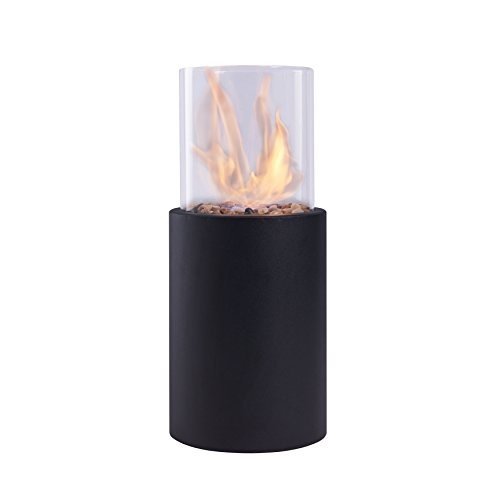
Visual Appeal: Designers are finding ingenious ways to integrate bio ethanol Fireplaces online (www.tishagranier.top) into modern-day homes, leading to a boost in modern designs that attract a younger group.
-
Customization Options: Manufacturers are offering personalized choices, from size to materials, allowing house owners to customize their fireplaces to fit their particular requirements and design choices.
Table 1: Fireplace Sales Trends Overview
| Trend | Description |
|---|---|
| Sustainability | Increasing need for environmentally friendly alternatives. |
| Smart Home Integration | Rising appeal of fireplaces that can be managed from another location. |
| Aesthetic Appeal | Emphasis on modern-day, stylish styles. |
| Modification Options | Greater concentrate on personalization in fireplace style. |
Types of Fireplaces Available
When it pertains to choosing a fireplace, house owners have numerous options, each with its own unique functions and benefits. Below is a list of the most typical types:
1. Wood-Burning Fireplaces
- Pros: Traditional ambiance, heat effectiveness, and low operating expense.
- Cons: Requires ventilation, routine upkeep, and can be less eco-friendly.
2. Gas Fireplaces
- Pros: Convenient, easy to use, and provides constant heat.
- Cons: Higher installation costs and reliance on gas supply.
3. Electric Fireplaces
- Pros: Easy installation, no venting required, and can be moved.
- Cons: Generally less heat output compared to wood or gas alternatives.
4. Bioethanol Fireplaces
- Pros: Eco-friendly, portable, and no venting or chimney needed.
- Cons: Higher fuel expenses and lower heat output than conventional alternatives.
5. Pellet Stoves
- Pros: Highly efficient, sustainable fuel source, and ecologically friendly.
- Cons: Requires electrical energy for operation and routine maintenance.
Table 2: Comparison of Fireplace Types
| Type | Pros | Cons |
|---|---|---|
| Wood-Burning | Standard ambiance, low costs | Requires ventilation, upkeep |
| Gas | Convenient, constant heat | Higher setup costs, gas dependence |
| Electric | Easy installation, movable | Lower heat output |
| Bioethanol | Eco-friendly, portable | Greater fuel expenses, less heat output |
| Pellet Stoves | Highly effective, eco-friendly | Requires electrical energy, routine maintenance |
Purchaser’s Guide: What to Consider When Purchasing a Fireplace
When purchasing a fireplace, property owners must think about a number of essential aspects to guarantee they pick the very best option for their requirements:
1. Kind of Fuel
Choose whether you prefer wood, gas, electrical, or bioethanol. Each has its pros and cons, so consider your way of life, benefit, and environmental effect.
2. Area and Size
Procedure the area where the fireplace will be set up. Consider the size of the space and the heating requirements. Select a fireplace that fits seamlessly within your home and satisfies your heating needs.
3. Style Preference
Choose a style that complements your home’s looks. Fireplaces come in various designs, from conventional to contemporary, and materials such as stone, brick, or modern-day glass.
4. Setup Requirements
Consider the installation process. Some fireplaces require extensive venting or modifications to the home, while others can be quickly installed in existing areas.
5. Budget
Set a budget plan that consists of not only the purchase rate however likewise installation and upkeep costs. High-end designs may provide advanced features, but affordable alternatives can still supply heat and style.
6. Local Regulations
Check local building regulations and policies regarding fireplaces. Some areas have restrictions on specific types of installations, particularly wood-burning designs.
Table 3: Key Considerations for Buyers
| Element | Description |
|---|---|
| Kind of Fuel | Pick between wood, gas, electrical, or bioethanol. |
| Space and Size | Step the desired setup area. |
| Design Preference | Select a style that matches your home’s visual. |
| Setup Requirements | Be mindful of potential modifications required for installation. |
| Budget | Include purchase, setup, and upkeep costs. |
| Regional Regulations | Research regional codes and restrictions. |
Regularly Asked Questions (FAQs)
Q1: What is the most energy-efficient type of fireplace?
A: Pellet stoves and electric fireplaces are typically thought about the most energy-efficient options, particularly when using renewable energy sources.
Q2: Are electric fireplaces efficient in heating up a big space?
A: Electric fireplaces are best matched for extra heating. For big rooms, search for models with greater wattage or consider other fuel choices.
Q3: How typically do I require to have my wood-burning fireplace checked?
A: Wood-burning fireplaces ought to be checked and cleaned a minimum of as soon as a year to make sure safety and efficiency.
Q4: Can I set up a fireplace myself?
A: Some electrical and bioethanol fireplaces can be installed by house owners; nevertheless, gas and wood-burning units often need expert setup to adhere to safety regulations.
Q5: What is the life-span of a fireplace?
A: The life expectancy of a fireplace varies by type and maintenance. Electric and gas models can last 15-25 years, while wood-burning fireplaces may last longer with proper care.
The fireplace market is progressing, showing modifications in consumer choices, technology, and ecological issues. Whether you’re thinking about a traditional wood-burning fireplace or a modern electrical choice, comprehending the types offered and essential elements to consider can help you make an informed choice. With winter simply around the corner, now is the perfect time to check out the vast world of fireplaces and discover the right one to change your home into a warm and welcoming sanctuary.
No listing found.