

fireplaces2130
About fireplaces2130
20 Questions You Should ASK ABOUT Fireplace Before You Buy Fireplace
The Best Fireplaces: A Comprehensive Guide to Choosing the Right One for Your Home
Fireplaces have actually long been cherished as the heart of the home, supplying warmth, comfort, and atmosphere. Whether it’s for a comfortable winter evening, entertaining visitors, or simply taking pleasure in a peaceful evening with a book, a buy fireplace can transform your home. With a variety of choices offered today, choosing the finest fireplace can be overwhelming. This guide intends to streamline the decision-making process by highlighting various kinds of fireplaces, their benefits, and essential factors to consider.
Tabulation
- Kinds of Fireplaces
- Wood-burning Fireplaces
- Gas Fireplaces
- Electric Fireplaces
- Pellet Stoves
- Bioethanol Fireplaces
- Factors to Consider When Choosing a Fireplace
- Leading Fireplaces of 2023
- Regularly Asked Questions
- Conclusion
Types of Fireplaces
1. Wood-burning Fireplaces
Description: Traditional wood-burning fireplaces supply a timeless beauty and develop a rustic atmosphere. They burn logs to produce heat and can be constructed into the wall or utilized as freestanding systems.
Pros:
- Authentic experience with crackling noises and real flames.
- Possibly lower heating expenses if wood is sourced in your area.
Cons:
- Requires routine maintenance and chimney sweeping.
- Can produce smoke and require appropriate ventilation.
| Feature | Wood-burning Fireplaces |
|---|---|
| Fuel Type | Wood |
| Upkeep Level | High |
| Heat Output | High |
| Installation Cost | Medium to High |
2. Gas Fireplaces
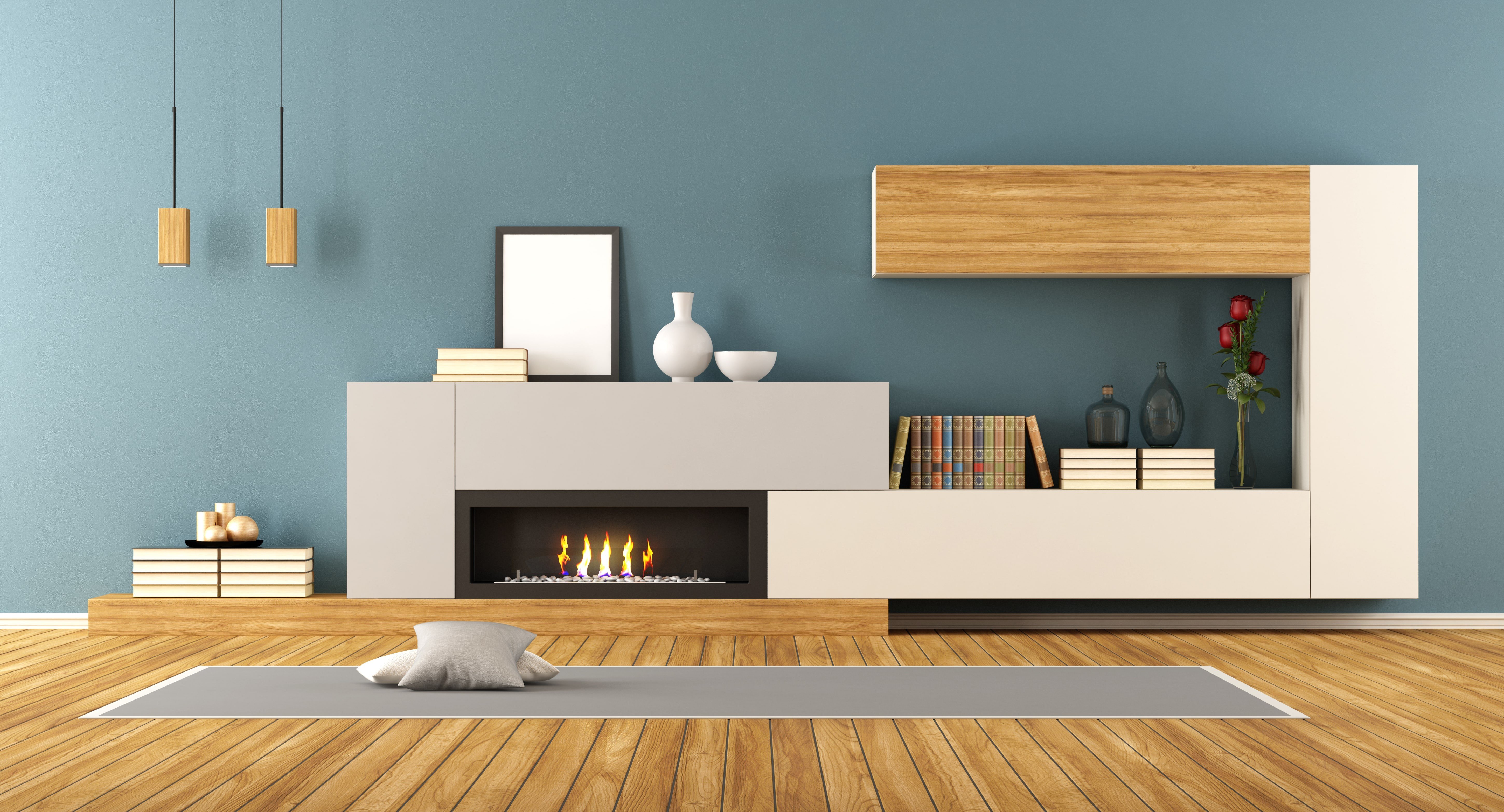
Description: Gas fireplaces come in 2 main types: vented and ventless. They spark as needed and can frequently be controlled by a remote.
Pros:
- Easily adjustable heat and flame settings.
- Cleaner burning than wood with less upkeep.
Cons:
- Dependence on gas supply.
- Some types might require extensive venting.
| Function | Gas Fireplaces |
|---|---|
| Fuel Type | Natural Gas or Propane |
| Upkeep Level | Low to Medium |
| Heat Output | Moderate to High |
| Setup Cost | Medium to High |
3. Electric Fireplaces
Description: Electric fireplaces use heating components and can develop an illusion of flames utilizing LED lights. They are easy to install and can be operated with a remote.
Pros:
- No need for venting or chimney upkeep.
- Offers heat without emissions.
Cons:
- May not supply the very same aesthetic satisfaction as genuine flames.
- Can be less reliable in heating bigger spaces.
| Feature | Electric Fireplaces |
|---|---|
| Fuel Type | Electrical energy |
| Maintenance Level | Extremely Low |
| Heat Output | Low to Moderate |
| Setup Cost | Low |
4. Pellet Stoves
Description: Pellet stoves burn compressed pellets made from wood, corn, or other biomass materials. They provide a contemporary option to conventional wood ranges.
Pros:
- Highly efficient and environmentally friendly.
- Automated feeding systems enable constant burning.
Cons:
- Requires electrical energy to operate the feed system.
- Regular cleansing is required.
| Feature | Pellet Stoves |
|---|---|
| Fuel Type | Wood Pellets |
| Maintenance Level | Medium |
| Heat Output | Moderate to High |
| Setup Cost | Medium |
5. Bioethanol Fireplaces
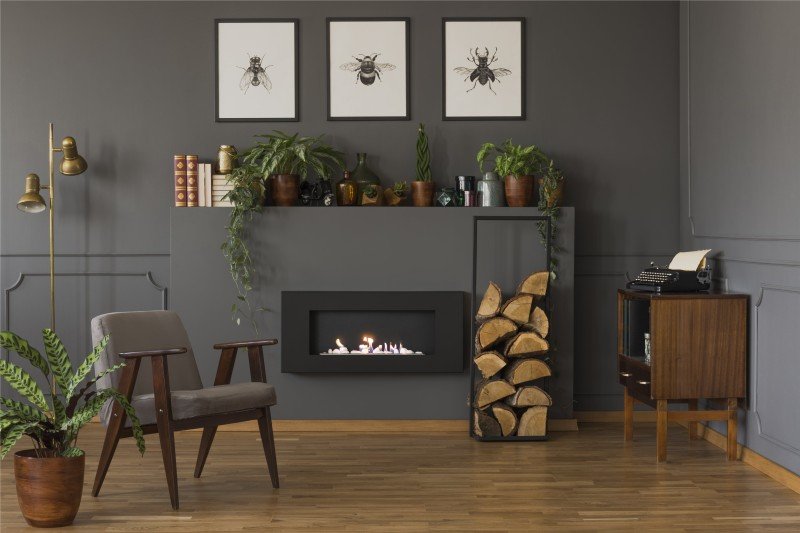
Description: Bioethanol fireplaces use bioethanol fuel, obtained from sustainable sources. They are available in many designs, from portable to integrated designs.
Pros:
- Clean-burning without any smoke and simple setup.
- No need for a chimney or flue.
Cons:
- Limited heat output compared to other fireplace types.
- Fuel can be relatively expensive.
| Function | Bioethanol Fireplaces |
|---|---|
| Fuel Type | Bioethanol |
| Upkeep Level | Low |
| Heat Output | Low |
| Setup Cost | Low to Medium |
Elements to Consider When Choosing a Fireplace
When selecting a fireplace, there are several aspects to remember:
-
Size and Space: Measure the area where you prepare to place the fireplace. Smaller sized electric fireplaces might work much better in compact areas, while larger wood-burning units might be more proper for larger spaces.
-
Style and Design: Consider the design of your home. Fireplaces are available in numerous styles, from traditional to contemporary. Choose one that matches your interior style.
-
Heating Needs: Evaluate how much heat you need. If you live in a cooler environment, a wood-burning or gas fireplace might be more appropriate for generating significant heat.
-
Budget: Factor in not just the purchase rate of the fireplace, however likewise installation costs, fuel expenses, and upkeep.
-
Environmental Impact: If sustainability is a concern, decide for environmentally friendly alternatives like bioethanol or pellet stoves.
Leading Fireplaces of 2023
Based upon consumer reviews, energy effectiveness, and aesthetic appeal, here are a few of the premier fireplaces of 2023:
| Fireplace Model | Type | Rate Range | Secret Features |
|---|---|---|---|
| Napoleon Gen II | Gas | ₤ 3,000 – ₤ 4,500 | High performance, adjustable design |
| Dimplex Revillusion | Electric | ₤ 700 – ₤ 1,200 | Sensible flames, compact style |
| Englander 25-PDV | Pellet | ₤ 1,000 – ₤ 1,500 | High BTU output, automated feed |
| Ethanol Fireplace by Ignis | Bioethanol | ₤ 400 – ₤ 1,500 | Smooth style, outdoor/indoor use |
| Vermont Castings Defiant | Wood-burning | ₤ 2,000 – ₤ 3,000 | Traditional look, high heat retention |
Often Asked Questions
1. What is the most effective type of fireplace?
Gas fireplaces and pellet ranges are typically considered the most efficient alternatives due to their regulated heat output and lower emissions.
2. Can I set up a fireplace myself?
While some electric and bioethanol fireplaces can be set up DIY, it’s frequently advised to seek advice from an expert for gas and wood-burning setups to make sure safety and compliance with regional codes.
3. How typically does a wood-burning fireplace requirement upkeep?
Wood-burning fireplaces need to be cleaned up and inspected every year, specifically the chimney, to prevent creosote accumulation and ensure safe operation.
4. Do electric fireplaces heat a space successfully?
Electric fireplaces can supply sufficient heat for little to medium-sized rooms, but they might have a hard time to warm larger spaces unless several systems are utilized.
5. What is the average life-span of a fireplace?
The life expectancy varies by type; electrical fireplaces can last 10 years or more, while wood-burning and gas fireplaces can last several decades with correct maintenance.
Picking the ideal fireplace involves carefully considering your heating requires, aesthetic preferences, and maintenance capabilities. From standard wood-burning fireplaces to modern-day bioethanol designs, each type uses distinct benefits. By understanding the functions and advantages of various fireplaces, house owners can make educated decisions that improve their living areas while offering warmth and character. Whether you’re cozying up with household or amusing buddies, the ideal fireplace awaits you!
No listing found.