

fireplaces4468
About fireplaces4468
This Week’s Most Popular Stories About Best Fire Place
The Best Fireplaces: A Comprehensive Guide to Cozy Living
As the chill of winter descends and the days grow shorter, few things stimulate comfort and heat quite like a fireplace. Whether it’s the flickering flames that create a relaxing atmosphere or the heat that covers a room, fireplaces continue to be a valued function in homes around the world. However, with a wide variety of alternatives offered today, selecting the finest fireplace for your needs can be intimidating. This guide aims to provide in-depth insights into numerous types of fireplaces, their advantages, and some leading models on the marketplace.
Types of Fireplaces
Before diving into particular models, it’s essential to understand the different types of fireplaces offered:
| Type | Description | Advantages | Downsides |
|---|---|---|---|
| Wood-Burning | Standard fireplaces that burn logs. | Authentic experience, natural heat, aesthetic appeal | Requires maintenance, less efficient, smoke. |
| Gas | Fireplaces powered by gas or gas. | Clean, efficient, easy to use | Preliminary setup cost, gas line required. |
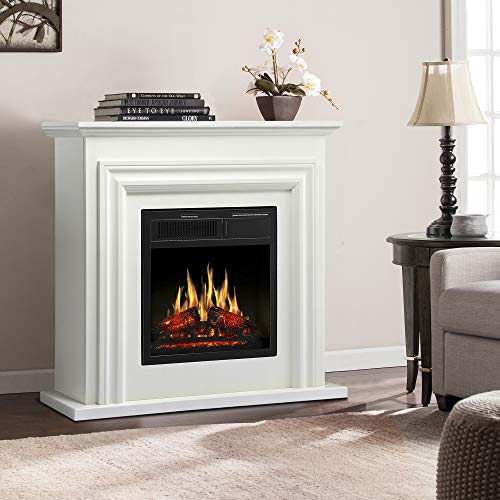
| Electric | Usage electricity to create a simulated flame. | Low maintenance, versatile, simple installation | Does not have authentic heat, might not provide genuine heat. |
| Ethanol | Burn bioethanol fuel, suitable for indoor/outdoor use. | Environmentally friendly, portable, no chimney required | Restricted heat output, greater fuel expenses. |
| Pellet | Burn compressed wood pellets. | Environmentally friendly, efficient, automatic feeding | Requires electrical power for operation, preliminary cost. |
Understanding the benefits and drawbacks of each type can help users recognize which classification finest suits their area, budget, and lifestyle.
Leading Picks for Fireplaces
Now that we have an overview of the various types of fireplaces, let’s dive into some of the best models presently readily available throughout various classifications:
1. Best Wood-Burning Fireplace: Vermont Castings Defiant
-
Features:
- © Large firebox, secondary combustion system for effectiveness.
- Several surface options for modification.
-
Why It’s Great:
- Its outstanding heat output and long burn time make it a preferred amongst traditionalists who relish the experience of a wood fire.
2. Best Gas Fireplace: Napoleon B42NTR
-
Functions:
- 42-inch design with a realistic flame look.
- Consists of a remote control for easy operation.
-
Why It’s Great:
- Offers both visual appeal and functionality, with excellent performance scores and very little maintenance.
3. Finest Electric Fireplace: Touchstone Sideline 50
-
Features:
- 50-inch wall-mounted design with multiple flame color choices.
- Can be utilized with or without heat for year-round use.
-
Why It’s Great:
- Perfect for apartment or condos or homes where setup of a conventional fireplace isn’t feasible.
4. Best Bio Ethanol Fireplaces Online (https://www.hortensiafallone.top/technology/the-best-fireplaces-a-comprehensive-guide/) Fireplace: IgniteXL 50 Electric Fireplace
-
Features:
- Sleek and modern-day design with a touch-screen control board.
- Produces no smoke, soot, or ash.
-
Why It’s Great:
- Eco-friendly and portable, making it appropriate for indoor and outdoor settings.
5. Finest Pellet Fireplace: Castle 12327 Serenity
-
Functions:
- Automatic feed for consistent heat output.
- Integrated thermostat for ideal temperature level management.
-
Why It’s Great:
- Highly effective and offers a low ecological effect, making it a fantastic choice for eco-conscious house owners.
Advantages of Having a Fireplace
Buying a fireplace can supply numerous benefits:
- Ambiance: Fireplaces create a warm and welcoming environment for gatherings and relaxation.
- Heating: They can function as an excellent source of supplemental heat throughout cooler months.
- Increased Home Value: A well-chosen fireplace can improve the visual appeal of a home, potentially increasing its market price.
- Versatility: Many modern fireplaces come with functions that permit different usage beyond simple heating, such as ornamental displays or mood lighting.
- Sustainability: With eco-friendly alternatives available, fireplaces can add to a more sustainable way of life, specifically when using sustainable fuels like pellets or ethanol.
Regularly Asked Questions (FAQ)
Q1: Can I set up a wood-burning fireplace in an existing home?
A: Yes, however it might require modifications to the chimney and flue to meet safety standards. Always consult with an expert.
Q2: How do I keep my fireplace?
A: Maintenance depends on the type; for wood-burning fireplaces, regular cleaning of the chimney, wood storage, and ash removal is vital. Gas fireplaces need less maintenance, but the burner and logs need to be examined periodically.
Q3: Are electrical fireplaces safe?
A: Generally, yes! Electric fireplaces are designed with safety features and do not produce hazardous emissions, making them a safe choice for homes.
Q4: What is the average lifespan of a fireplace?
A: The lifespan differs; gas and electrical fireplaces may last 15-20 years with correct upkeep, while wood-burning fireplaces can last much longer with excellent care.
Q5: What type of fireplace provides the very best heating effectiveness?
A: Pellet and gas fireplaces are known for their high performance, producing more heat while taking in less fuel compared to standard wood-burning fireplaces.
Selecting the very best fireplace includes thinking about numerous aspects, including type, setup space, and individual preferences. By comprehending the different options readily available and their particular advantages, customers can make informed decisions that improve their living spaces. Whether one looks for the traditional appeal of wood-burning fires, the convenience of gas, or the contemporary touch of electrical or ethanol models, there’s a perfect fireplace for every single home. As we approach the colder months, investing in the ideal fireplace can develop not just heat but a comfortable sanctuary for friends and family to enjoy.
No listing found.