

wilberthacking
About wilberthacking
Need More Time? Read These Tips To Eliminate Estateagents
The real estate market does not move in one direction nationwide. It never has. What is happening in Austin is not what is happening in Cleveland. What is true for a three-bedroom in the suburbs of Dallas has almost nothing to do with a two-bedroom in San Francisco. Before you do anything else, narrow your focus to the specific market you are shopping in and stop reading national headlines as if they apply to you personally.
In markets where builders have added meaningful supply in recent years, prices have pulled back. Markets that overheated fastest have cooled most noticeably. But those are the exceptions. Most markets are not working from excess; they are working from scarcity.
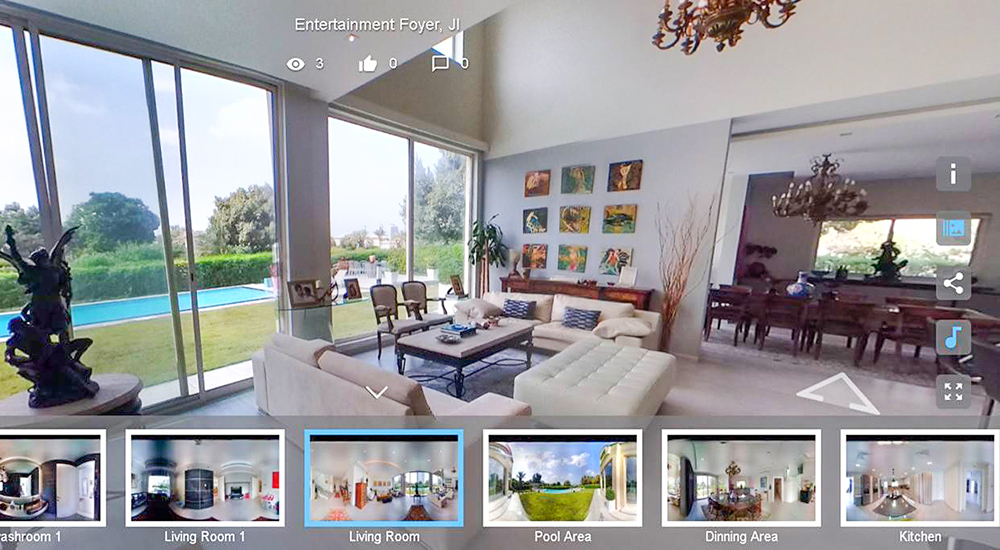 Here is what that creates for someone who is financially prepared and ready to move: a better chance of getting the house you want without losing a bidding war. The panic buyers are gone. The buyers who showed up with letters waiving inspections and offering a hundred thousand over asking have mostly sat back down. What remains is a more functional market, even if it is not a cheap one.
Before you look at a single listing, get your pre-approval locked down. Not a rough estimate. Not a verbal confirmation from a loan officer you met once. A full pre-approval based on verified income, tax returns, bank statements, and a hard credit pull. Any agent worth working with will tell you the same thing: no pre-approval, no offer.
 The appraisal is the lender’s check, not yours. A low appraisal means the buyer has to make up the gap in cash, renegotiate, or cancel. Ask your agent whether recent comparable sales support the price you are offering.
 Budget two to four percent of the purchase price for closing costs, on top of your down payment. First-time buyers often do not see the full closing cost picture until the Closing Disclosure arrives three days before settlement. Ask your lender for a Loan Estimate before you make any offers, so you can plan your cash position accurately.
The timing question, whether to buy now or wait for rates to come down, is the one that trips up more buyers than any other single factor. The record on market timing for owner-occupied housing is not encouraging. The more useful question is not whether now is the right time in the abstract; it is whether you are buying because the numbers make sense for you, not because you feel social pressure to own.
 Buyers who take the time to prepare before they start looking tend to find that opportunities exist even when conditions look difficult on paper. Before you commit to a direction, browsing homes for sale and market resources can sharpen your picture of what is actually available in your price range.
No listing found.